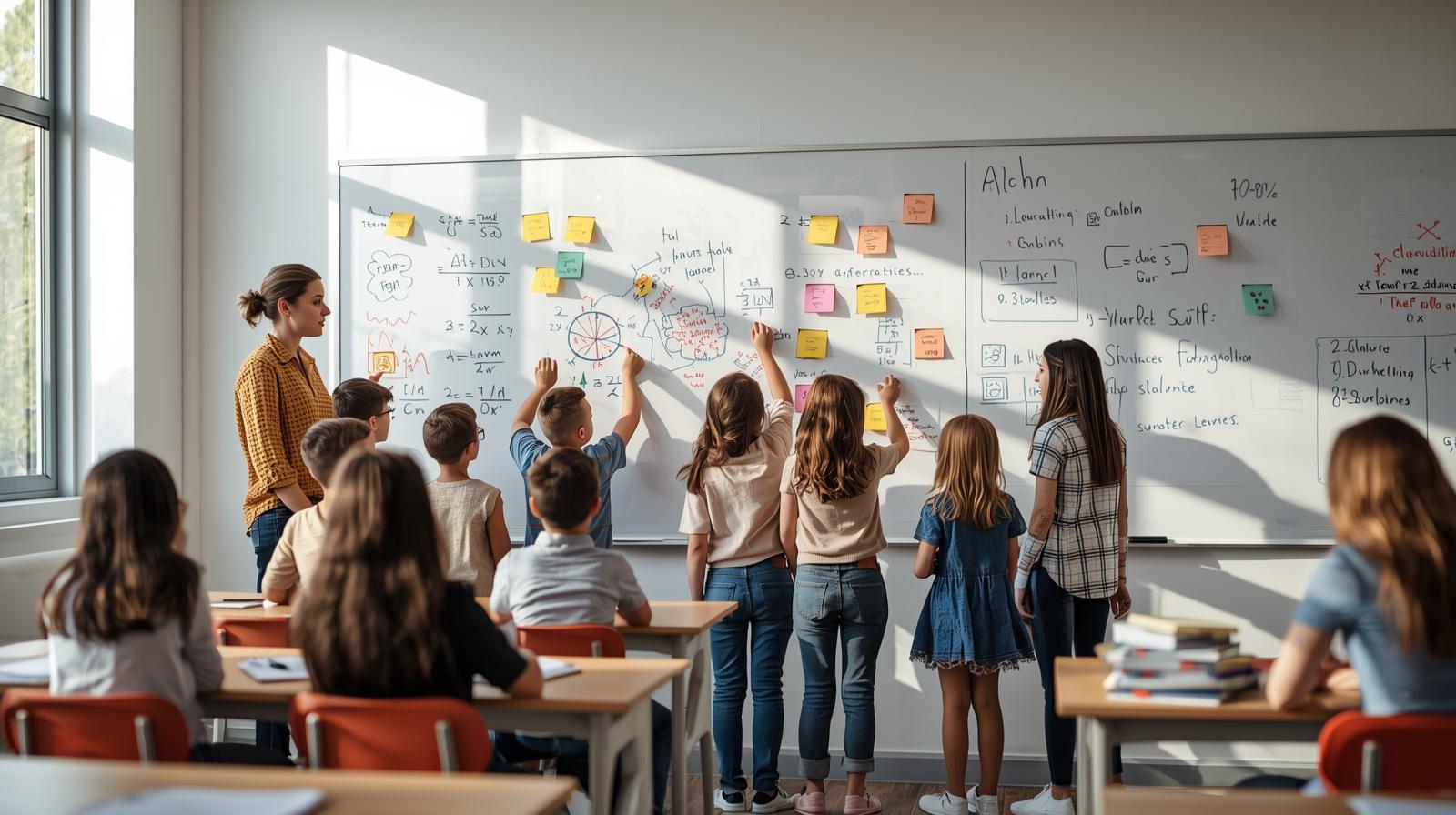
Learning is a lifelong process, but it is not without difficulties. Students at different All Academic levels—from primary school to higher education—often face challenges that can hinder their growth and confidence. These challenges may range from lack of concentration and exam stress to deeper issues such as learning disabilities, lack of resources, or low motivation. Addressing these issues with practical strategies is essential to ensure that every learner can reach their full potential.
Understanding the Common Learning Challenges
Students face a variety of obstacles depending on their age, environment, and academic stage. Younger children may struggle with foundational skills like reading and writing, while middle and high school students often face pressure from exams, peer competition, and time management. University students, on the other hand, may experience stress from research work, financial concerns, and adapting to independent study. Recognizing these struggles is the first step to finding effective solutions.
Key Challenges Faced by Students:
- Difficulty in maintaining focus and concentration during study hours.
- Struggles with specific subjects such as mathematics or science.
- Lack of confidence due to poor performance in exams.
- Stress and anxiety caused by workload or fear of failure.
- Limited access to quality resources and learning materials.
Strategies to Overcome Learning Challenges
Students, parents, and educators must work together to build solutions that are practical and adaptable. A combination of discipline, modern tools, and personalized approaches can make learning more effective.
- Building Strong Study Habits
Developing consistent routines helps students stay on track. A fixed study schedule, short breaks between study sessions, and clear daily goals can reduce procrastination and increase productivity. - Using Technology and Digital Tools
Online platforms, educational apps, and digital libraries provide students with resources that can simplify complex topics. For instance, interactive quizzes, video lectures, and e-books can make learning engaging and accessible. - Encouraging Active Learning
Instead of rote memorization, students should be encouraged to question, analyze, and apply knowledge. Group discussions, project-based learning, and problem-solving activities enhance both understanding and retention.
Points to Remember for Better Outcomes:
- Focus on understanding concepts rather than memorizing facts.
- Break larger tasks into smaller, achievable steps.
- Use visual aids like charts, diagrams, and mind maps.
- Review regularly instead of last-minute cramming.
The Role of Emotional and Social Support
Emotional well-being plays a vital role in academic success. Parents and teachers should create a supportive environment where students feel encouraged to share their struggles. Peer support groups and mentorship programs also help learners gain motivation and self-confidence.
- Promote open communication between teachers, parents, and students.
- Provide counseling and stress management workshops.
- Encourage extracurricular activities to build balance and reduce burnout.
Adapting to Different Learning Styles
Every student learns differently—some prefer visual learning, others auditory or kinesthetic approaches. Identifying and supporting individual learning styles can help students overcome academic challenges more effectively. Personalized teaching strategies ensure that students receive the guidance they need based on their strengths.
Conclusion
Overcoming learning challenges requires a collective effort and a positive approach. By promoting strong study habits, integrating technology, providing emotional support, and adapting to diverse learning needs, students at all academic levels can achieve success. Education should not be a source of stress, but a pathway to growth and confidence. With the right strategies, every learner can turn challenges into opportunities and move forward with resilience.